Conquer the Wild Waters: The Ultimate Guide to the Indus River Kayaking Expedition
The mighty Indus River, slicing through the colossal mountain ranges of northern Pakistan, has long been a legendary frontier for explorers. While trekkers flock to the high-altitude passes of the Karakoram and Himalayas, a different breed of adventurer looks to the water. The Indus River Kayaking Expedition represents the absolute pinnacle of whitewater paddling, offering an unmatched combination of raw hydraulic power, sheer canyon walls, and world-class technical rapids.
Why the Indus River Kayaking Expedition is the Ultimate Adventure
The Indus River is the lifeblood of Pakistan, originating in the Tibetan Plateau before carving a dramatic path through Gilgit-Baltistan. For whitewater enthusiasts, it represents one of the most powerful and massive volume rivers on Earth.
A Convergence of Giants | Indus River Kayaking Expedition
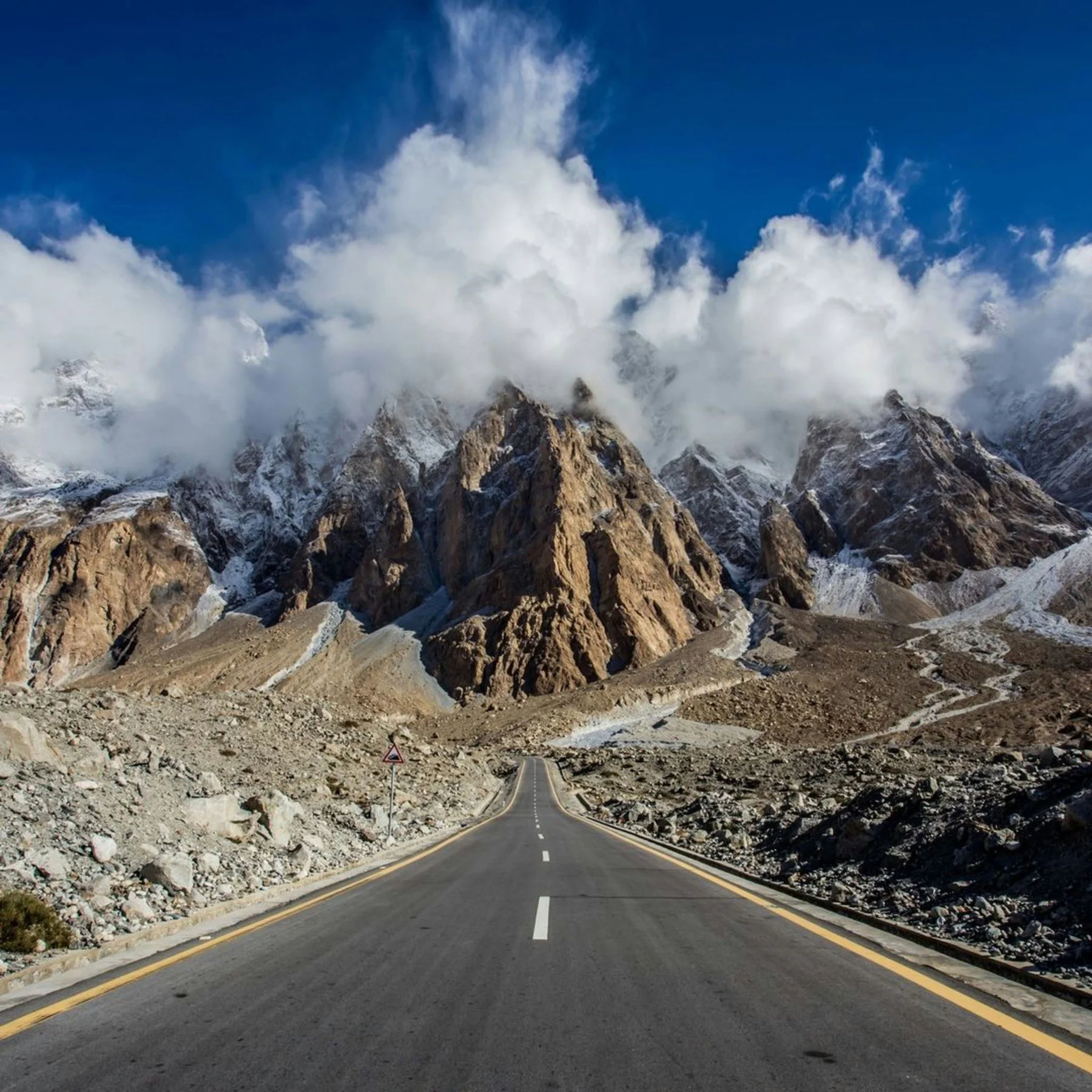
What sets this expedition apart is its unparalleled setting. You aren’t just paddling a river; you are moving through the deep, shadowy gorges that separate the Karakoram, Hindu Kush, and Himalayan mountain ranges. Towering peaks rise directly from the riverbed, creating a sense of scale and isolation that is impossible to replicate anywhere else in Asia.
World-Class Hydraulics and Technical Playgrounds
The Indus river is famous for its massive volume and unpredictability. The river consists of a dizzying mix of deep, green flatwater—deceptively fast and swirling with enormous whirlpools—and exploding whitewater rapids that demand precise, split-second decision-making. The sheer velocity of the water means that traditional paddling techniques are pushed to their absolute limits. Every eddy line becomes a tactical challenge, and every line through a rapid requires perfect execution
Inside the Rondu Gorge: Conquering the K2 of Whitewater Kayaking
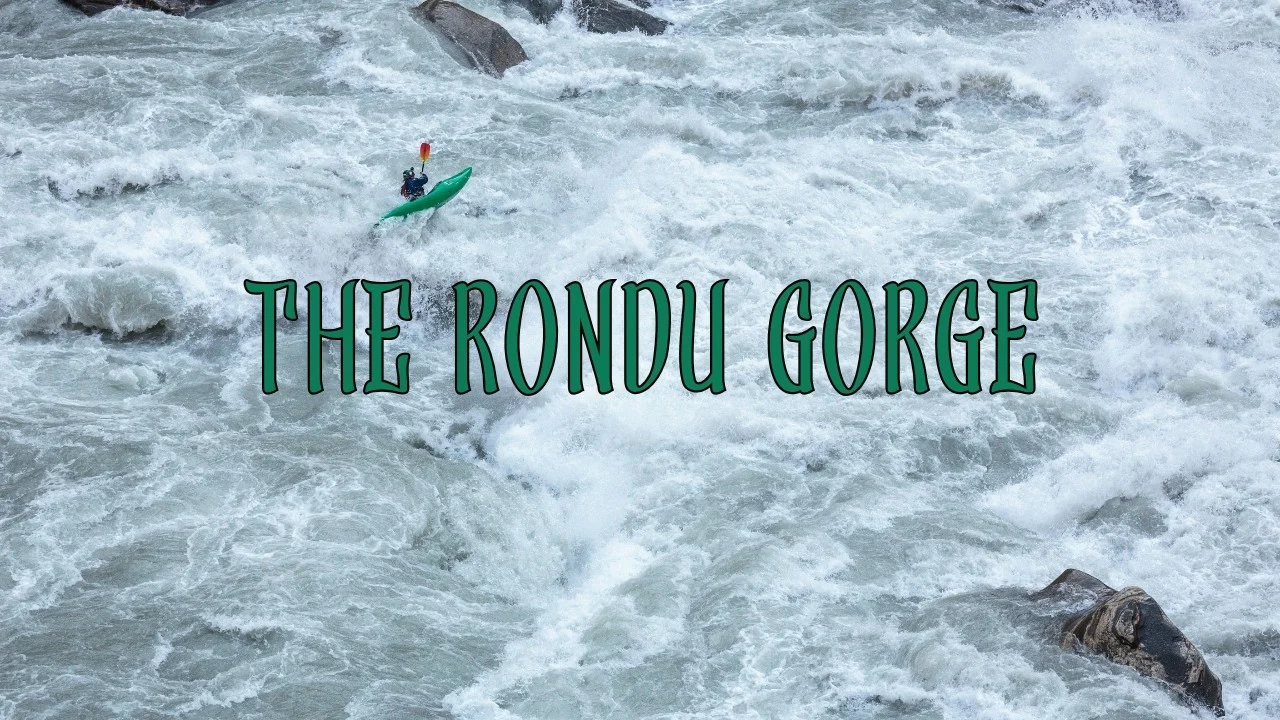
To the international kayaking elite, one stretch of the Indus River holds a legendary, near-mythical status: the infamous Rondu Gorge. Often referred to as the “K2 of whitewater kayaking,” this section is the ultimate benchmark of extreme river running.
The Anatomy of Class V Power
The Rondu Gorge stretches for approximately 86 miles as the river drops rapidly out of the Skardu Valley. Within this steep canyon lie roughly 200 Class V rapids. The sheer density of heavy whitewater is staggering. The water moves with intense velocity over massive boulders, forming enormous stoppers, chaotic wave trains, and deep, violent holes.
Scouting in the Rondu Gorge is an adventure in itself. Kayakers must scale slick, towering boulders to map out their lines through chaotic, roaring chutes. Because the river changes constantly due to shifting gravel beds and landslides, reading the water on the fly is a critical survival skill.
The Infamous Malupa Rapid | Indus River Kayaking Expedition
Within the Rondu Gorge, the Malupa Rapid is a legendary obstacle. For years, even the world’s most elite paddlers would routinely portage around this high-consequence section. It features massive, violent hydraulics and high-risk entrapment spots that leave absolutely zero margin for error. Successfully navigating the Malupa is considered a badge of honor in the global extreme kayaking community, highlighting just how demanding the Rondu Gorge can be.
The Skardu to Gilgit Kayaking Route: What to Expect
A typical high-end expedition on the Indus covers the iconic route from the high-altitude desert of Skardu down to the bustling valley of Gilgit. Here is a breakdown of the geographic stages you will encounter on this premier itinerary.
1. Acclimatization and Launching in Skardu | Indus River Kayaking Expedition
The journey begins in Skardu, a legendary mountaineering hub nestled at 2,230 meters above sea level. Before jumping into the heavy whitewater, teams typically spend a day conducting equipment checks, safety briefings, and practice runs in the calmer waters near the spectacular Kachura Lakes. This allows paddlers to adjust to the altitude and calibrate their gear.
2. The Upper Indus: Shigar and Shyok Confluences
As you begin the main descent from Skardu, the Indus is fed by major glacial tributaries, including the Shigar and Shyok rivers. In this upper section, the river is wide and braided, characterized by faster-flowing channels and scenic, sandy shores. It provides the perfect warm-up, allowing paddlers to dial in their communication and get a feel for the river’s massive volume before the canyon walls begin to close in.
3. Entering the Deep Canyon: Kachura to Jaglot
Once the river leaves the Skardu basin, the valley narrows dramatically, and the true whitewater expedition begins. Over the course of 4 to 5 days, you will paddle through deep gorges, negotiating continuous rapids and camping on pristine, isolated riverside beaches under the stars. The route winds past small, remote Balti villages perched on the cliffs, offering occasional glimpses of rural mountain life that few travelers ever get to see.
4. The Jaglot Finish Line
The river run culminates near Jaglot, the unique geographical point where three of the world’s greatest mountain ranges meet: the Karakoram, the Hindukush, and the Himalayas. After days of adrenaline-fueled paddling, arriving at this majestic junction provides a profoundly rewarding end to the physical journey.
Best Time for Indus River Kayaking in Pakistan
Timing is everything when planning an expedition on the Indus. The river’s behavior is dictated entirely by glacial melt and seasonal weather patterns in the Karakoram and Himalayan ranges.
| Season | Months | River Conditions | Ideal For |
| Late Spring / Summer | May – August | High water, extreme volume, maximum glacial melt. | High-volume rafting, heavy-duty commercial trips, and expert-level extreme kayakers looking for maximum flow. |
| Autumn | September – November | Medium to low water, crystal clear, lower flow rates. | Technical creeking, complex rapid maneuvering, and the classic, cleaner lines of the Rondu Gorge. |
High Flow (Summer Melts)
During the peak of summer, massive volumes of snowmelt surge down from the glaciers, turning the Indus into a roaring giant. This is when the river is at its most intimidating. Waves can easily reach 15 to 20 feet high, and the sheer power of the water makes scouting difficult. Only highly coordinated, elite expedition teams attempt the deepest gorges during high flow.
 Low Flow (Autumn Descents)
As temperatures drop in autumn, the glacial melt slows down. The river transitions from a muddy brown surge to a stunning, deep turquoise. The lower water levels expose highly technical boulder gardens and cleaner, more predictable lines. This is widely considered the prime window for kayakers wanting to run the Rondu Gorge safely and systematically.
Preparing for the Expedition: Essential Safety and Gear
The Indus River does not forgive mistakes. If you are planning an expedition of this magnitude, preparation must be meticulous.
Physical and Technical Prerequisites
This is not a river for beginners or intermediate paddlers. To safely navigate the technical stretches of the Indus, especially the Rondu Gorge, you must have solid Class IV-V whitewater experience. You must possess a bulletproof combat roll, advanced river-reading skills, and a high level of physical endurance to cope with hours of continuous paddling in cold water.
Crucial Safety Protocols
-
Bank-Side Support: A dedicated logistics team tracking the expedition from the road is essential. With the newly paved Karakoram Highway running along sections of the gorge, having a support vehicle carrying backup gear, medical supplies, and communications equipment is highly viable.
-
Safety Kayakers & Catarafts: Running the river with a highly experienced local guide team and designated safety kayakers is non-negotiable. They understand the local currents, hazards, and safe eddy points.
-
High-Altitude Gear: Despite warm daytime temperatures, the water of the Indus is fed by glaciers and remains freezing cold. Drysuits, heavy-duty thermals, robust helmets, and high-float PFDs are mandatory.
Plan Your Epic Pakistani River Adventure |Conquer the Wild Waters: The Ultimate Guide to the Indus River Kayaking Expedition
Exploring Pakistan via its historic waterways offers a perspective that standard overland tours simply cannot match. From the absolute adrenaline of the Rondu Gorge to the peaceful, starry nights on remote sandy riverbanks, the Indus River is the ultimate frontier for raw, untouched adventure travel.
If you are ready to test your limits against the most powerful whitewater in Asia, start planning your expedition. Ensure you partner with professional, licensed operators who specialize in northern Pakistan’s rugged terrain, prioritize safety, and respect the local environment. The wild waters of the Indus are calling.
To get a visual sense of the raw power and immense scale of the whitewater in the northern valleys, watch this gripping footage of elite kayakers navigating the heavy rapids of the Indus: Paddling the Wild Gorges of the Indus. This video provides an incredible firsthand look at the massive Class V lines and complex logistics involved in running the Rondu Gorge.
Discover Indus River Kayaking Expeditions with Incredible Pakistan
Skardu is not just about Kayaking Expeditions it is famous tourist attractions—it is about experiencing the landscapes, people, culture and adventure of Baltistan. Incredible Pakistan provides local assistance to help international and domestic travellers explore Skardu professionally and comfortably.
Experience • Discover • Taste — Incredible Pakistan