

Hunza Blossom Tour
Hunza Blossom Tour – Experience Spring in Pakistan's Mountain Paradise
A Hunza Blossom Tour is one of the best ways to experience northern Pakistan in spring, when the orchards and villages of Hunza Valley burst into shades of white and pink. The blossom season generally occurs from mid-March to mid-April, although the exact timing varies each year depending on temperature, altitude and weather conditions.
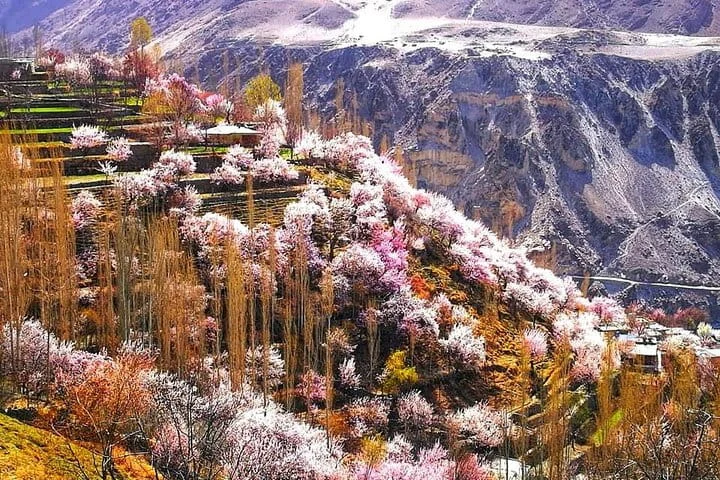
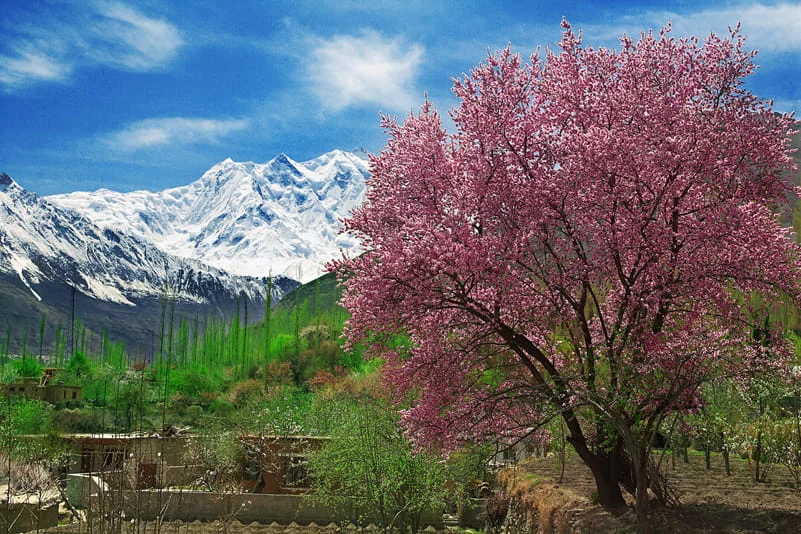
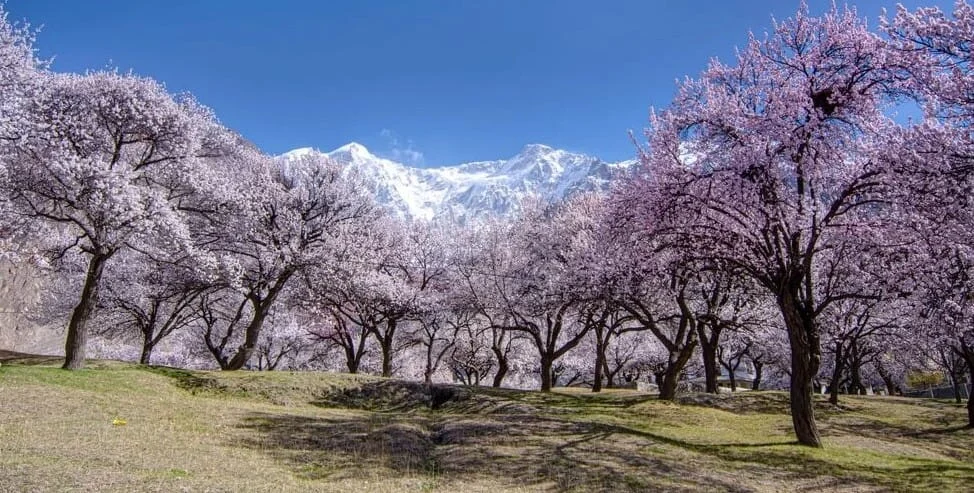
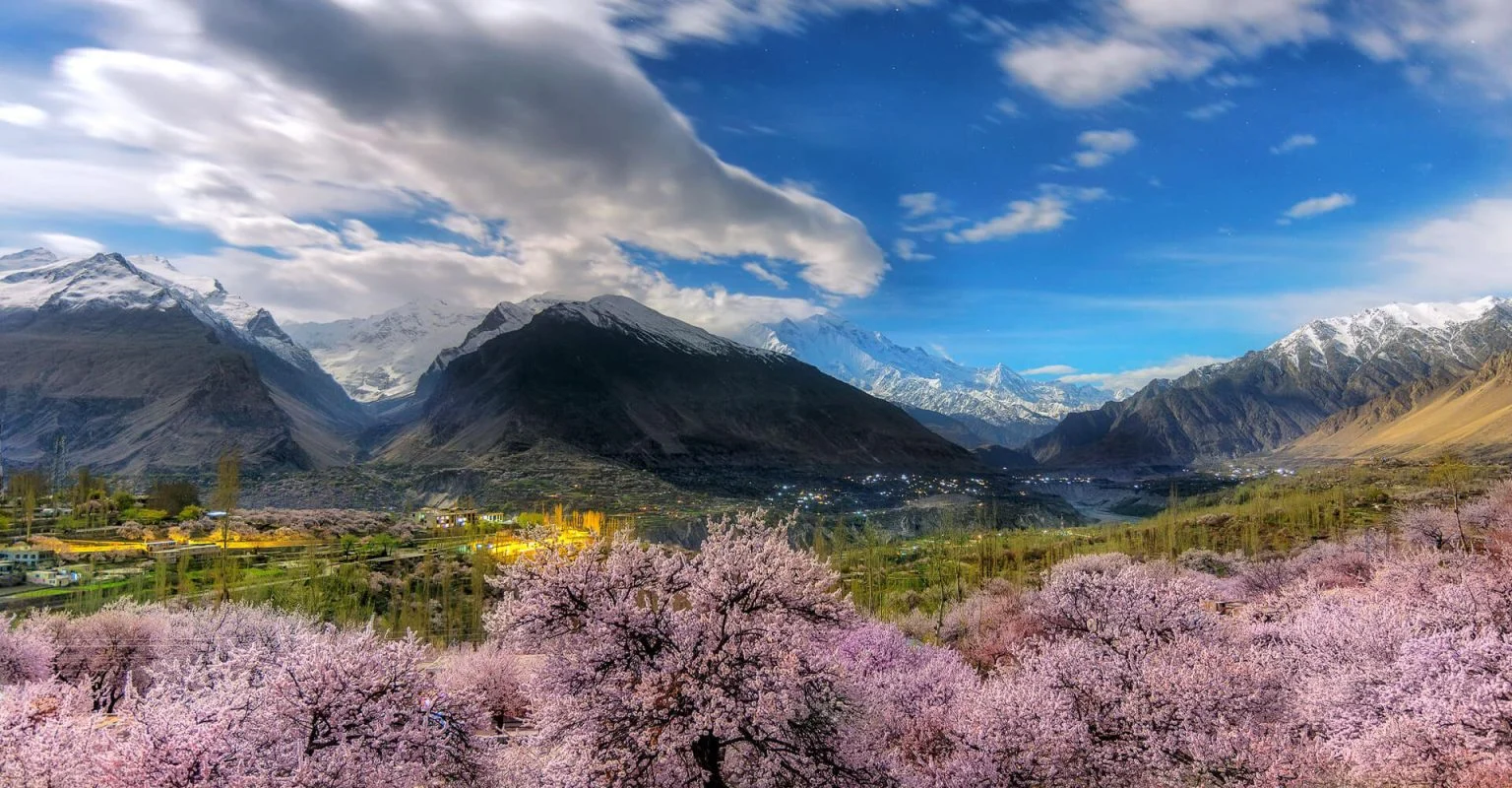
During spring, apricot, cherry, almond, peach and other fruit trees bloom across the valley, creating a spectacular contrast with the snow-covered peaks of the Karakoram. The central Hunza area around Karimabad, Altit, Ganish and Aliabad is particularly attractive during the flowering season, while Gulmit and Passu in Upper Hunza can offer later-season blossoms and dramatic mountain scenery.
A spring journey also combines nature with Hunza’s rich cultural heritage. Travelers can explore Baltit Fort, Altit Fort, Attabad Lake, Duikar (Eagle’s Nest), Gulmit and Passu, while enjoying traditional villages, local food and panoramic mountain views.
Whether you are planning a family holiday, private group trip or photography journey, this guide covers the best places to see blossoms, the ideal travel period, what to pack, practical travel advice and two detailed 10-day itineraries: one combining flights with road travel and another following the Karakoram Highway from Islamabad to Islamabad.
A Hunza Blossom Tour is one of the most enchanting travel experiences in Pakistan. From breathtaking spring landscapes and ancient heritage sites to serene lakes and high-altitude passes, every day offers something magical. Whether you’re a photographer, an explorer, or someone looking for peace in nature, the blossom season in Hunza promises unforgettable memories.
Hunza Blossom Tour – Quick Facts
| Detail | Information |
|---|---|
| Destination | Hunza Valley, Gilgit-Baltistan, Pakistan |
| Best season | Spring |
| Typical blossom period | Mid-March to mid-April* |
| Main blossoms | Apricot, cherry, almond, peach and apple |
| Main base | Karimabad |
| Recommended duration | 7–10 days |
| Main attractions | Baltit Fort, Altit Fort, Attabad Lake, Duikar, Gulmit, Passu |
| Tour options | Air + road / Road |
| Starting point | Islamabad |
| Best for | Photography, families, couples, culture and nature |
When Is the Hunza Blossom Season?
Typical Blossom Timeline
Mid-March
Early blossoms begin appearing in lower and warmer areas.
Late March–Early April
Central Hunza, including Karimabad and Altit, can offer excellent blossom scenery.
Early–Mid April
Higher areas such as Gulmit and Passu may have later flowering.
Why Visit Hunza During Blossom Season?
1. A Photographic Wonderland
Spring in Hunza offers unbeatable photographic opportunities. The valley’s terraced fields, stone houses, and meandering waterways look even more spectacular when surrounded by soft pink and white blossom trees. Photographers flock here to capture sunrise and sunset shots in iconic locations like Duikar (Eagle’s Nest), Altit Fort, and Karimabad.
2. Cool Spring Weather & Mountain Landscapes
The weather during blossom season is comfortably mild. Days are warm enough for sightseeing, while nights remain cool and crisp. The contrast of colorful blossoms with snow-capped mountains makes it one of the most picturesque times to explore Hunza.
3. Rich Cultural Experience
Hunza is famous for its hospitality, heritage, and unique culture. During the blossom season, local festivals, traditional music, and community gatherings are more frequent. Visitors get to explore ancient forts, interact with the locals, and taste traditional dishes like Chapshuro, Gyal, and Hunza bread.
4. A Different Experience from Peak Summer
The blossom season is still relatively peaceful compared to the peak summer months. Roads, viewpoints, and attractions are less congested, making it a great time for a more relaxed and enjoyable trip.
For travelers who wish to experience Pakistan beyond cultural festivals, our collection of Festivals like Kalash Valley Tour and Shandur Polo Festival Tour Pakistan These tours are perfect for nature lovers challenge themselves while exploring some of the world’s most spectacular landscapes.
Tour Essentials – What to Pack for Your Hunza Blossom Tour
To ensure a smooth and comfortable journey, consider packing the following essentials:
Clothing
Warm layers (nights can be cold even in spring)
Waterproof jacket or windbreaker
Comfortable walking shoes
Sunglasses and sunblock
Scarf, gloves, and cap for higher altitudes
Travel Gear
Camera with extra batteries and memory cards
Power bank (long travel days on the road)
Backpack for day trips
Reusable water bottle
Documents & Essentials
Original CNIC or passport (for foreigners)
Medicines and personal first-aid kit
Cash, as some remote areas have limited ATM access
Optional but Helpful
Binoculars for mountain viewing
Tripod for photography
Snacks for long road stretches
- Tour Highlights – What Makes Hunza Blossom Tour Special
1. Blossoms in Karimabad and Altit
The central Hunza region is filled with apricot, almond, and cherry blossoms. Walk through the narrow streets of Altit and Karimabad to witness the valley in full bloom.
2. Baltit & Altit Forts
Over 700 years old, these cultural landmarks offer panoramic views of the valley and blossoms spread across terraced fields.
3. Attabad Lake
The turquoise-blue Attabad Lake is one of the most iconic attractions in Hunza. The contrast of blue water and pink blossoms creates postcard-perfect scenery.
4. Passu Cones & Glacier Viewpoint
The dramatic Passu Cathedral peaks and the Passu Glacier provide unforgettable landscapes for adventure seekers and photography enthusiasts.
5. Khunjerab Pass (China Border)
At 15,500 ft, Khunjerab Pass is one of the highest paved border crossings in the world. The journey offers unparalleled views of high-altitude meadows and wildlife.
6. Eagle’s Nest Sunset
Famous for the most glorious sunsets in Pakistan, Eagle’s Nest viewpoint in Duikar gives a 360-degree view of the valley.
7. Hopper Glacier (Nagar)
A short drive from Hunza, this massive glacier provides an adventurous side trip during the blossom season.
10-Day Hunza Blossom Tour – Fly to Skardu & Return by Air
Route: Islamabad → Skardu → Shigar → Khaplu → Skardu → Gilgit → Hunza → Nagar → Gilgit → Islamabad
This option combines the spectacular spring landscapes of Skardu and Hunza, allowing travelers to experience blossom-filled valleys, historic forts, cold deserts, glacial landscapes and the Karakoram before returning to Islamabad by air.
Day 1: Islamabad – Arrival & Tour Preparation
Arrive in Islamabad and transfer to your hotel. Depending on your arrival time, enjoy a relaxed evening in the capital or explore nearby attractions.
Use the evening to prepare for the mountain journey and confirm the following day’s flight to Skardu.
Overnight: Islamabad
Day 2: Islamabad – Skardu by Air – Local Sightseeing
Take a morning flight from Islamabad to Skardu, enjoying spectacular aerial views of the Himalayan and Karakoram mountains when weather permits.
On arrival, transfer to your hotel and have breakfast or lunch before beginning your Skardu sightseeing.
Visit Katpana Cold Desert, Skardu Bazaar and nearby viewpoints. If road and weather conditions allow, enjoy sunset views around Kharpocho Fort.
The lower valleys of Baltistan can already be showing spring blossoms during this period, although flowering varies from year to year.
Overnight: Skardu
Day 3: Skardu – Shigar Valley Blossom & Heritage Tour
After breakfast, drive towards Shigar Valley, one of the most beautiful cultural landscapes around Skardu.
Visit Shigar Fort, the historic village area and traditional Balti settlements. Walk through local orchards where apricot and other fruit trees may be flowering.
Continue towards the Shigar River and surrounding mountain viewpoints for photography.
Return to Skardu in the evening.
Overnight: Skardu
Day 4: Skardu – Khaplu Valley Blossom Excursion
Today, travel towards the spectacular Khaplu Valley, following the Shyok River through dramatic mountain scenery.
Explore Khaplu Palace, the historic town and surrounding villages. During blossom season, the orchards and traditional houses create beautiful photography opportunities against the snow-covered mountains.
Spend time walking through the villages and interacting with local communities before returning towards Skardu.
Overnight: Skardu
Day 5: Skardu – Gilgit
After breakfast, begin the scenic journey from Skardu towards Gilgit.
The route follows spectacular mountain landscapes and connects Baltistan with Gilgit-Baltistan’s western valleys. Stop at scenic viewpoints along the way for photographs and refreshments.
Depending on road conditions and travel time, continue to Gilgit for an overnight stay.
Overnight: Gilgit
Day 6: Gilgit – Rakaposhi Viewpoint – Hunza Valley
After breakfast, drive towards Hunza along the Karakoram Highway.
Stop at the famous Rakaposhi View Point and enjoy views of one of Pakistan’s most spectacular peaks.
Continue towards Hunza, passing through scenic villages and orchards. As you approach Karimabad, the landscape becomes increasingly dramatic, with blossom trees framed by the Karakoram peaks.
Arrive in Karimabad, check in and enjoy an evening walk through the historic town.
Overnight: Karimabad, Hunza
Day 7: Karimabad – Baltit Fort – Altit Fort – Hunza Blossom
Dedicate the day to central Hunza.
Visit Baltit Fort, the historic landmark overlooking Karimabad, followed by Altit Fort and the surrounding traditional village.
Walk through the blossom-filled orchards around Altit, Karimabad and Ganish, looking for apricot, cherry, almond and other spring flowers.
The afternoon is reserved for photography and exploring the narrow village lanes.
Overnight: Karimabad, Hunza
Day 8: Upper Hunza – Attabad Lake – Gulmit – Passu
Today, travel deeper into Gojal and Upper Hunza.
Visit Attabad Lake, followed by Gulmit, the historic village of Gojal.
Continue towards Passu for views of the famous Passu Cones and surrounding mountain landscapes. Depending on seasonal road and weather conditions, explore nearby villages and viewpoints.
Return to Karimabad in the evening.
Overnight: Karimabad, Hunza
Day 9: Hunza – Nagar Valley – Hopper Glacier – Gilgit
After breakfast, cross towards Nagar Valley and explore its spectacular spring landscapes.
Drive towards Hopper Valley for views of the Hopper Glacier and surrounding mountains. The quieter orchards and villages of Nagar can offer excellent blossom photography.
Later, drive back towards Gilgit.
Overnight: Gilgit
Day 10: Gilgit – Islamabad by Air
After breakfast, transfer to Gilgit Airport for your flight to Islamabad.
Enjoy the spectacular aerial views of the mountains on a clear-weather flight.
On arrival in Islamabad, the 10-Day Hunza Blossom Tour concludes.
End of Tour.
- FAQ
1. What is the best time for the Hunza Blossom Tour?
The best time to visit Hunza for the blossom season is from mid-March to mid-April when apricot, cherry, and almond trees are in full bloom.
2. How many days are enough for a Hunza Blossom Tour?
A 10-day itinerary from Islamabad is ideal, allowing you to explore Karimabad, Attabad Lake, Passu, Khunjerab Pass, Hopper Glacier, and Nagar Blossom Valley comfortably.
3. What blossoms can I see in Hunza during spring?
You can enjoy apricot, cherry, peach, almond, and apple blossoms, creating colorful landscapes across the valley.
4. Is Hunza safe to visit during the blossom season?
Yes, Hunza is considered one of the safest and most tourist-friendly regions of Pakistan with welcoming locals and good road connectivity.
5. What should I pack for the Hunza Blossom Tour?
Bring warm layers, a windproof jacket, comfortable shoes, sunblock, sunglasses, camera gear, power bank, and personal medicines.
6. How far is Hunza from Islamabad?
Hunza is approximately 600–620 km from Islamabad and takes 12–14 hours by road via the Karakoram Highway.
7. Are roads open during the blossom season?
Yes. The Karakoram Highway (KKH) remains open. However, the Naran–Babusar route is usually closed until late May, so travel is via Besham–Dasu–Chilas.
8. Can families and kids join the Hunza Blossom Tour?
Absolutely. The blossom season provides mild weather, scenic beauty, and safe routes, making it ideal for families, kids, and elderly travelers.
9. What are the top blossom photography spots in Hunza?
Top photography locations include Karimabad, Altit Royal Garden, Duikar Eagle’s Nest, Gulmit, Passu, Hopper Valley, and Attabad Lake.
10. Is Khunjerab Pass accessible during the blossom season?
Yes, Khunjerab Pass usually opens in early April, but conditions vary. It’s best to confirm before planning the day trip.
- TRIP GALLERY

- you may also like
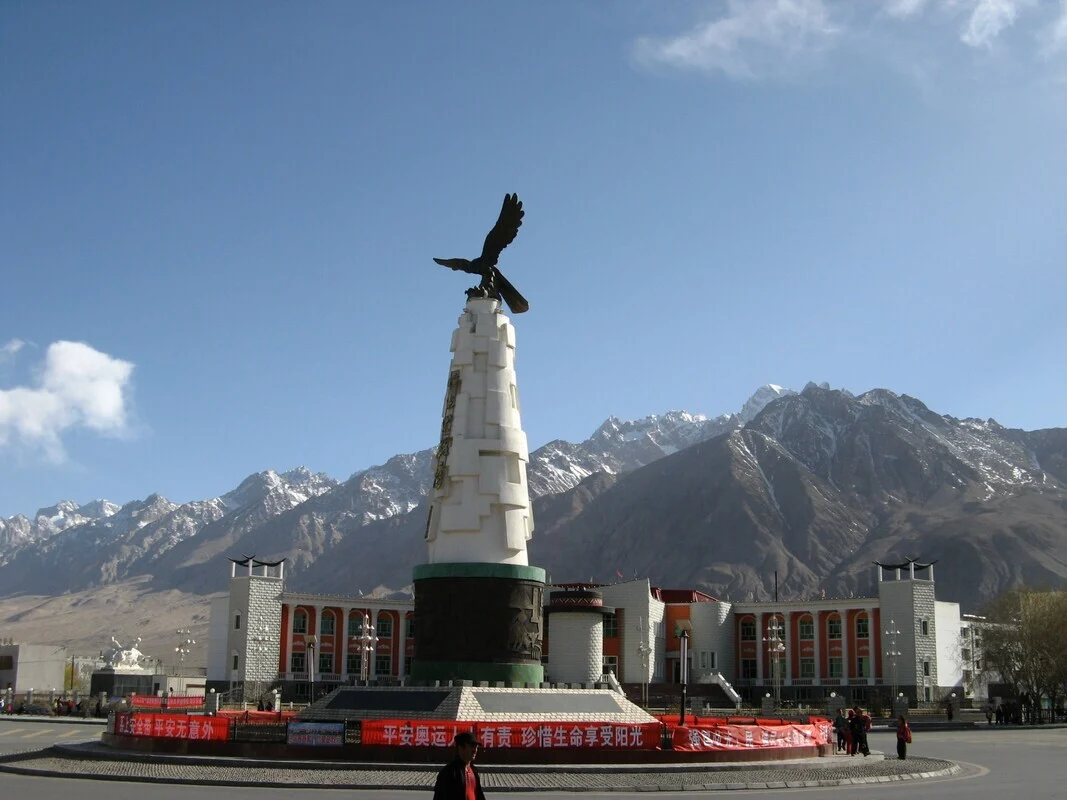
China Pakistan Overland Tour
Experience one of the world’s most extraordinary cross-border adventures on our China Pakistan Overland Tour, beginning in Tashkurgan, China, and
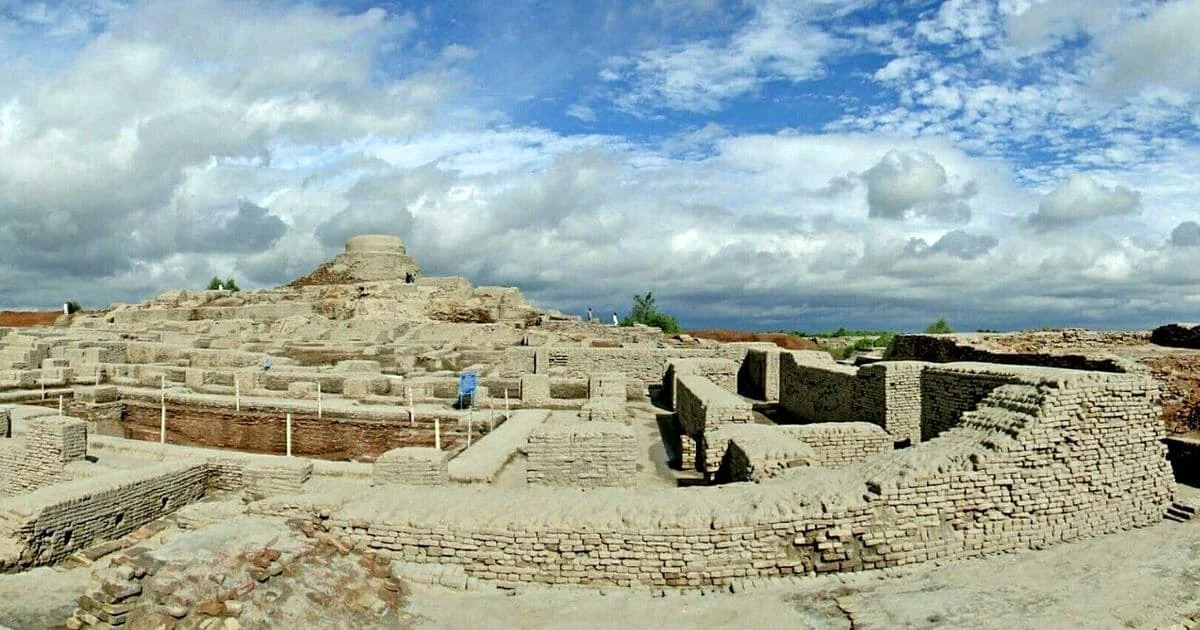
Indus Civilization Tour Pakistan
Our Indus Civilization Tour Pakistan invites you to uncover the remarkable legacy of the Indus Valley Civilization, a society celebrated

Shandur Polo Festival Tour Pakistan
The Shandur Polo Festival Tour is one of Pakistan’s most extraordinary cultural adventures, combining breathtaking mountain landscapes, centuries-old traditions, and

Best of North Pakistan Tour
The Best of North Pakistan Tour is a complete travel experience designed for adventurers, nature lovers, and explorers who want

Hunza Ghizer and Skardu Autumn Tour – Incredible Pakistan
The Hunza Ghizer and Skardu Autumn Tour is one of the most spectacular travel experiences in North Pakistan, offering breathtaking

Hunza Ghizer and Skardu Spring Tour
The Hunza Ghizer and Skardu Spring Tour is one of the most beautiful travel experiences in North Pakistan. As winter