Taxila Travel Guide Exploring Ancient Gandhara and Buddhist Heritage in Pakistan
Taxila Travel Guide Discover Taxila, Pakistan—an ancient center of Gandhara civilization and Buddhist learning. Explore Sirkap, Jaulian, Dharmarajika, Taxila Museum and more.
Taxila Travel Guide Pakistan, Gandhara civilization, Buddhist sites in Pakistan, Taxila Buddhist ruins, Taxila Museum, Jaulian monastery, Dharmarajika Stupa
Taxila is one of Pakistan’s most remarkable destinations for travelers interested in history, archaeology, Buddhism and the ancient Silk Road. Located in Punjab’s Rawalpindi District, this extraordinary archaeological landscape preserves evidence of successive civilizations and was an important center of Buddhist learning from antiquity.
Today, Taxila is a UNESCO World Heritage Site and one of the most important archaeological destinations in Pakistan. UNESCO describes the ancient city as a crossroads influenced by Persia, Greece and Central Asia, while Buddhist monasteries and stupas transformed the Taxila Valley into an important religious and learning center.
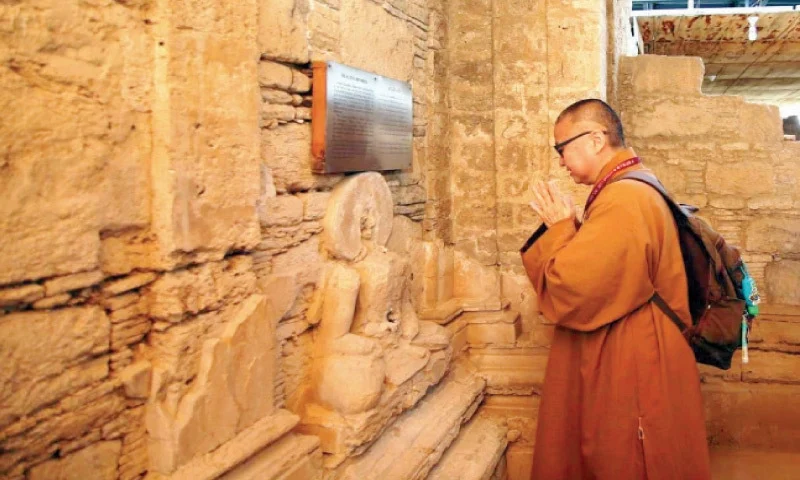
For international visitors, a trip to Taxila offers something very different from a conventional sightseeing tour. Here, you can walk among ancient city ruins, Buddhist monasteries and stupas while learning about the development of Gandharan civilization and Buddhist art.
Where Is Taxila? Buddhist Heritage in Pakistan.
Taxila is located in Punjab, approximately northwest of Islamabad and Rawalpindi, making it one of the easiest major archaeological destinations to visit from Pakistan’s capital.
Its strategic location was historically important because Taxila stood along routes connecting the Indian subcontinent with Central Asia and the wider Silk Road. UNESCO notes that the city reached its height between the 1st and 5th centuries and became an important center of Buddhist learning.
This location also explains why Taxila developed such a fascinating mixture of cultural influences.
Why Is Taxila Travel Guide Important?
Taxila is not simply one ancient city.
It is a large archaeological landscape containing successive settlements, monasteries, stupas and other historic remains.
The UNESCO World Heritage property includes ancient settlements such as Bhir Mound, Sirkap and Sirsukh, together with numerous Buddhist religious sites.
The Taxila Museum provides an excellent introduction to this history. Its collection contains approximately 7,000 displayed artifacts, including Gandharan sculptures, relics, inscriptions, coins, jewelry, pottery and architectural objects.
For this reason, we recommend beginning your Taxila sightseeing experience at the museum before visiting the archaeological sites.
Top Places to Visit in Taxila Travel Guide
1. Taxila Museum
The Taxila Museum is one of the best places to begin your journey into Gandhara.
Located among the archaeological sites of the Taxila Valley, the museum contains an impressive collection of stone and stucco sculptures associated with Gandharan Buddhist art.
Visitors can see sculptures, Buddhist relics, votive objects, coins, jewelry, inscriptions and everyday archaeological material recovered from sites throughout the valley.
A museum visit helps you understand what you are seeing when you later walk through the ancient monasteries and stupas.
2. Sirkap Ancient City
Sirkap was one of the major ancient settlements of Taxila.
The ruins demonstrate the multicultural character of ancient Taxila and reflect the city’s connections with different civilizations.
Walking through the remains gives visitors an opportunity to imagine Taxila as a thriving ancient urban center rather than simply a collection of ruins.
3. Dharmarajika Stupa
The Dharmarajika Stupa is one of the most important Buddhist monuments in the Taxila Valley.
The Taxila Museum describes Dharmarajika as the oldest and largest Buddhist complex in Taxila. The complex represents a long period of Buddhist history, extending from the 3rd century BCE to the 7th century CE.
The site includes a large stupa area and a monastic area, making it particularly valuable for visitors interested in understanding how Buddhist religious complexes developed over time.
4. Jaulian Buddhist Monastery
Jaulian is another highlight of a Buddhist heritage tour in Taxila.
The monastery is located on a hill and was established during the Kushan period. The Taxila Museum states that Jaulian is approximately 7 km from the museum and that the site is included in the UNESCO World Heritage listing.
The hilltop setting also provides a memorable atmosphere for visitors exploring the remains.
5. Mohra Moradu
Mohra Moradu is a fascinating Buddhist monastery and stupa complex dating to the Kushan period.
According to the Taxila Museum, the complex was constructed in the 2nd century CE and extensively renovated during the 4th and 5th centuries. It contains a monastery and stupa with surviving architectural and decorative remains.
For travelers interested in Buddhist architecture, Mohra Moradu should definitely be included in a comprehensive Taxila itinerary.
6. Bhir Mound
Bhir Mound represents one of the earliest urban settlements of ancient Taxila.
The site helps visitors understand the earlier stages of Taxila’s development before the later urban centers of Sirkap and Sirsukh. The Taxila Museum identifies Bhir Mound as the earliest city site of ancient Taxila.
Taxila Travel Guide Explore the Buddhist Heritage of Gandhara
One of the greatest reasons to visit Taxila is the opportunity to explore Gandharan Buddhist heritage in its original archaeological landscape.
Gandharan art developed through interaction between South Asian, Hellenistic, Persian and Central Asian traditions. Taxila became an important center where these cultural influences met.
Instead of seeing Gandharan sculptures only behind museum glass, visitors can combine museum collections with visits to the monasteries and stupas where many of the artifacts were originally discovered.
This makes Taxila particularly meaningful for:
- Buddhist pilgrims
- Archaeology enthusiasts
- Historians
- Art historians
- Cultural travelers
- Photography enthusiasts
- Students and researchers
- Travelers interested in the Silk Road
Take a Taxila Travel Guide Buddhist Sites Tour in Taxila
For first-time foreign visitors, exploring Taxila with a knowledgeable local guide can make the experience much more rewarding.
The archaeological landscape is extensive, and the significance of individual stupas, monasteries and settlements is not always obvious when viewed without historical context.
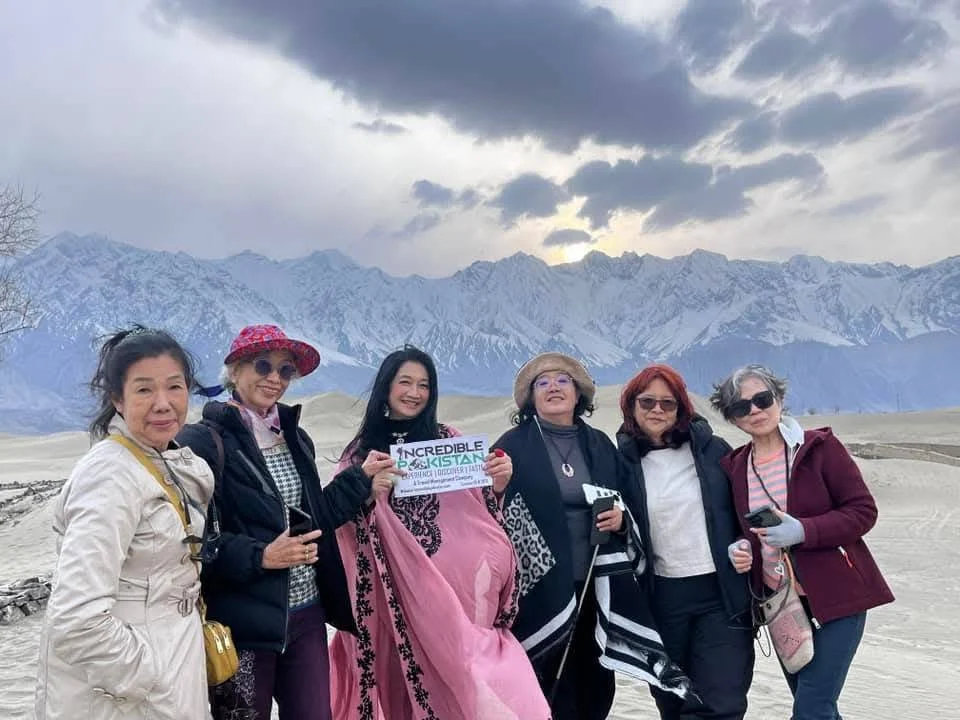
Incredible Pakistan’s local licensed guide team can assist foreign tourists with professional Buddhist heritage tours in Taxila, helping visitors explore the major archaeological sites while explaining the history, architecture, Gandharan art and Buddhist heritage of the region.
A professional local guide can also help travelers organize the route efficiently and understand the difference between the ancient settlements and the Buddhist monastic complexes.
For visitors coming specifically for Buddhist heritage, a customized Taxila Buddhist Sites Tour can include the Taxila Museum, Dharmarajika, Sirkap, Jaulian, Mohra Moradu and other important archaeological locations according to available time and site conditions.
How Much Time Do You Need in Taxila?
A full day is recommended if you want to understand Taxila rather than simply visit one archaeological site.
A possible itinerary is:
Morning: Taxila Museum → Bhir Mound → Sirkap
Afternoon: Dharmarajika Stupa → Jaulian → Mohra Moradu
If you have a particular interest in Buddhist archaeology, history or Gandharan art, consider spending additional time with a specialist guide.
Best Time to Visit Taxila
The most comfortable periods for exploring Taxila are generally the cooler months, particularly autumn, winter and early spring.
Archaeological sites are largely outdoors, so comfortable clothing, sun protection, drinking water and suitable walking shoes are recommended.
Before traveling, check the current opening arrangements and local conditions. The official Taxila Museum currently lists its regular opening schedule as Saturday through Thursday, 9:00 AM to 4:00 PM.
What Should Foreign Tourists Bring?
For a comfortable Taxila sightseeing experience, bring:
- Comfortable walking shoes
- Sun protection
- Drinking water
- Hat or sunglasses
- Camera
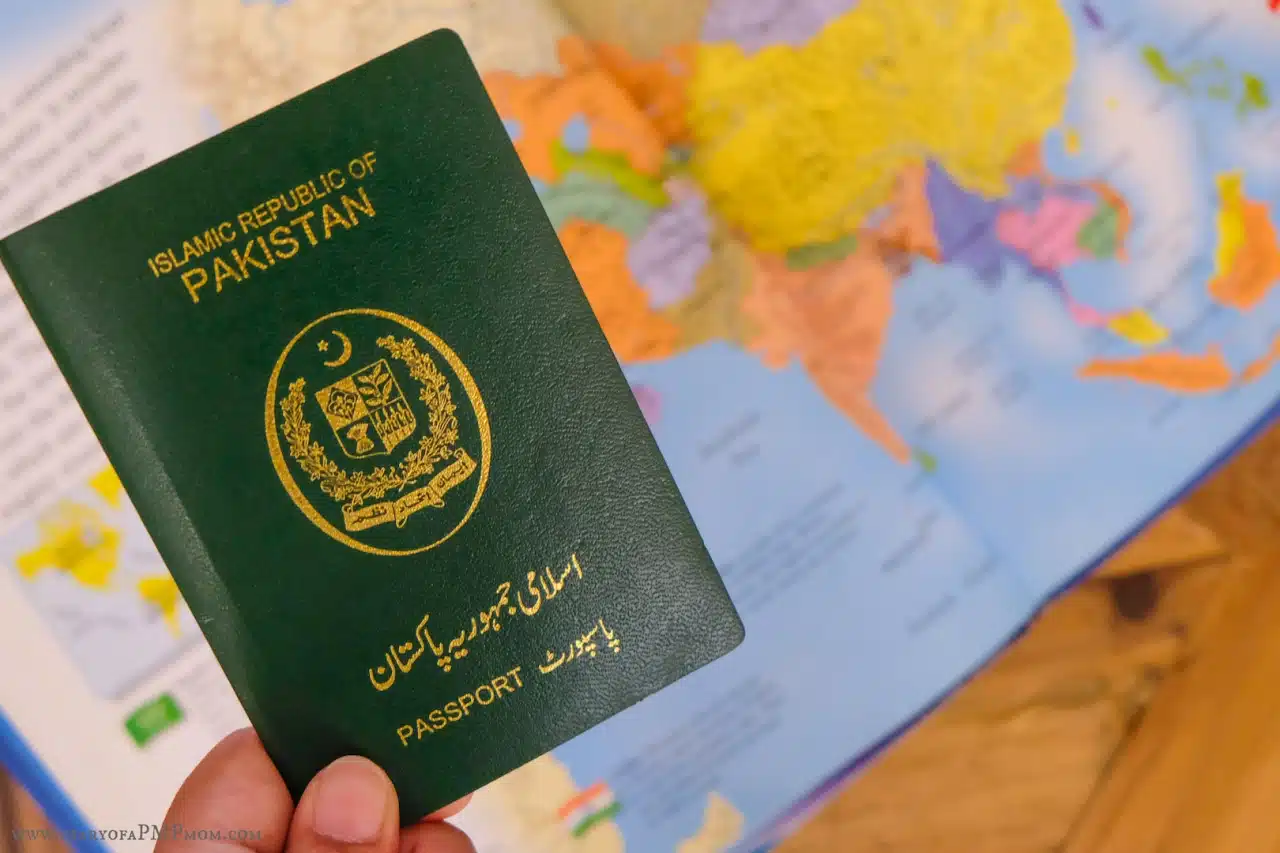
- Passport or required identification
- Some local currency
- Lightweight, respectful clothing
Remember that Taxila is an archaeological and heritage environment. Visitors should avoid climbing on ancient structures, touching fragile archaeological remains or removing anything from the sites.
Why Taxila Should Be on Your Pakistan Itinerary
Pakistan is famous for the spectacular mountains of Hunza and Skardu, but its archaeological heritage deserves equal attention.
Taxila tells a different story.
It reveals a Pakistan connected to ancient India, Central Asia, Persia, Greece, Buddhism and the Silk Road.
Here, a traveler can visit a museum in the morning, walk through the remains of an ancient city, stand beside a Buddhist stupa and explore the ruins of a monastery—all within the same historic landscape.
For anyone interested in the history of Buddhism and Gandhara, Taxila is much more than a day trip.
It is a journey into one of the great cultural crossroads of the ancient world.
Plan Your Taxila Buddhist Heritage Tour
If you are planning a trip to Pakistan and want to explore the Buddhist heritage of Gandhara, Incredible Pakistan’s professional local licensed guide team can help arrange and guide your Taxila Buddhist sites tour.
With local knowledge and professional guiding experience, the team can help foreign visitors explore Taxila’s major archaeological attractions and gain a deeper understanding of the Buddhist history, Gandharan art and ancient civilizations of the region.
Whether you are a Buddhist pilgrim, researcher, photographer, historian or cultural traveler, a professionally guided Taxila tour can transform a visit to ancient ruins into a much deeper historical experience.
Discover Taxila. Walk through ancient Gandhara. Explore the Buddhist heritage of Pakistan with a professional local guide.