Why Hunza Valley is Pakistan’s “Crown Jewel” | Incredible Pakistan
Tucked deep in the spectacular mountains of Gilgit-Baltistan, northern Pakistan, Hunza Valley is one of the country’s most extraordinary travel destinations. Surrounded by the mighty Karakoram Mountains, ancient villages, turquoise lakes, glaciers, orchards and historic forts, Hunza offers an unforgettable combination of natural beauty, culture and adventure.
It is easy to understand why many travelers describe Hunza Valley as Pakistan’s “Crown Jewel.”
From the historic streets of Karimabad to the turquoise waters of Attabad Lake and the dramatic Passu Cones, almost every corner of Hunza offers a postcard-worthy landscape.
The Gilgit-Baltistan Tourism Department itself describes Hunza as a prime tourist attraction, highlighting its spectacular mountain scenery, cultural heritage, historic forts, traditional cuisine and destinations including Attabad Lake, Passu and Gulmit.
Whether you are interested in mountain photography, culture, history, hiking, road trips or simply escaping into nature, Hunza Valley should be high on your Pakistan travel itinerary.
Where Is Hunza Valley Crown Jewel of Pakistan?
Hunza Valley is located in Gilgit-Baltistan in northern Pakistan, along the famous Karakoram Highway (KKH).
The valley extends through several spectacular areas, including Central Hunza and Upper Hunza, also known as Gojal. The landscape changes dramatically as you travel north, from terraced villages and orchards around Karimabad to huge glaciers, high mountain peaks and valleys around Passu and Gulmit.
Hunza’s location also makes it an important historical crossroads. For centuries, the region was connected with trade and travel routes linking the mountains of Pakistan with China and Central Asia.
Today, the Karakoram Highway provides travelers with an incredible road journey through some of the world’s most dramatic mountain scenery.
1. Majestic Karakoram Mountains in Hunza Valley Crown Jewel of Pakistan
The first thing that makes Hunza extraordinary is its mountains.
The valley is surrounded by some of the highest and most spectacular peaks of the Karakoram, including Rakaposhi, Ultar Sar, Lady Finger and the Passu mountain peaks.
The official Gilgit-Baltistan tourism information notes that visitors to Hunza can see peaks rising to around 7,000 metres, including Lady Finger and Ultar.
For photographers, the changing light on these mountains creates an entirely different landscape throughout the day.
Sunrise can turn the peaks golden, while sunset creates dramatic shadows across the valley.
2. Karimabad – The Cultural Heart of Hunza
Karimabad is one of the most famous places in Hunza and an excellent base for exploring the valley.
The town is surrounded by mountains and traditional settlements and provides easy access to some of Hunza’s most important historical attractions.
Visitors can explore local markets, traditional food, handicrafts and historic streets while enjoying spectacular views of the surrounding mountains.
According to the Gilgit-Baltistan Tourism Department, Karimabad is known for its cultural heritage, stunning landscapes and hospitality.
3. Baltit Fort – A Window Into Hunza’s History
Perched above Karimabad, Baltit Fort is one of Hunza’s most recognizable landmarks.
The historic fort overlooks the valley and surrounding mountains, offering visitors a fascinating glimpse into the region’s royal history and traditional architecture.
Baltit Fort served as the residence of Hunza’s rulers for centuries and was later restored as an important heritage attraction.
Walking through its historic rooms and terraces is an excellent way to understand how people lived and ruled in the mountainous kingdom of Hunza.
For travelers interested in history, architecture and culture, Baltit Fort is a must-visit attraction in Hunza Valley.
4. Altit Fort – More Than 900 Years of History
Another remarkable historical attraction is Altit Fort.
Standing on a rocky hill overlooking the Hunza River, Altit Fort is believed to be more than 900 years old. The fort provides spectacular views of the surrounding valley while showcasing the architectural and cultural heritage of Hunza.
The combination of ancient architecture and dramatic mountain scenery makes Altit Fort one of the most memorable cultural experiences in northern Pakistan.
5. Attabad Lake – Hunza’s Turquoise Jewel
Few places in Pakistan are as instantly recognizable as Attabad Lake.
Its brilliant turquoise-blue water contrasts dramatically with the surrounding barren mountains, creating one of the most spectacular landscapes along the Karakoram Highway.
Attabad Lake was formed following a massive landslide in January 2010 that blocked the Hunza River. Today, it has become one of Gilgit-Baltistan’s major tourist attractions.
Visitors can enjoy activities such as:
- Boating
- Jet skiing
- Fishing
- Photography
- Lakeside sightseeing
The lake is particularly impressive when viewed from the surrounding mountains and road viewpoints.
6. Passu Cones – One of Pakistan’s Most Iconic Landscapes
Travel farther north and the landscape becomes even more dramatic.
The Passu Valley is famous for its sharp, jagged mountain peaks commonly known as the Passu Cones.
These peaks have become one of the visual symbols of northern Pakistan and are among the most photographed landscapes along the Karakoram Highway.
The surrounding area also offers opportunities to experience glaciers, traditional villages and spectacular mountain viewpoints.
For photographers and nature lovers, Passu is an essential stop on any Hunza Valley tour.
7. Khunjerab Pass – Where Pakistan Meets China
One of the most exciting day trips from Hunza is the journey toward Khunjerab Pass, located on the Pakistan-China border.
At an elevation of approximately 4,693 metres, Khunjerab Pass is one of the highest paved international border crossings in the world.
The journey itself is an adventure, passing through the dramatic landscapes of Upper Hunza and the Khunjerab region.
Travelers should remember that access and road conditions can vary depending on weather and seasonal conditions, so checking current local information before traveling is important.
8. Hunza’s Unique Culture and Hospitality
Hunza is not only about mountains.
Its people, traditions, food and historic communities are an important part of the travel experience.
Traditional languages spoken in the region include Burushaski, Shina and Wakhi, while Urdu and English are also widely spoken.
Visitors can experience:
- Traditional Hunza cuisine
- Local fruits and dried fruits
- Traditional music
- Local handicrafts
- Historic villages
- Traditional architecture
- Local festivals and cultural traditions
Traveling with a knowledgeable local guide can make these experiences much more meaningful because you can learn about the history and traditions behind the places you visit.
9. Hunza’s Famous Orchards and Blossom Season
Hunza is also famous for its fruit orchards.
Apricots, cherries, apples, mulberries and grapes are among the fruits associated with the region.
Spring is particularly beautiful when the orchards burst into bloom.
During the blossom season, cherry, apricot and almond trees can transform the villages into a spectacular combination of pink and white flowers, with snow-covered mountains forming a dramatic backdrop.
For photographers, spring in Hunza is one of the most beautiful times of the year.
Because flowering dates vary with annual weather conditions, travelers planning specifically for blossom season should keep their dates flexible.
10. Duikar and Eagle’s Nest – Sunrise Above Hunza
For one of the best panoramic experiences in Hunza, head towards Duikar.
The viewpoint is famous for sunrise and sunset views across the surrounding mountains and valleys.
The Gilgit-Baltistan Tourism Department specifically highlights Duikar as an excellent location for sunrise and sunset, with exceptionally clear nights also offering spectacular views of the stars.
Watching the first sunlight illuminate the surrounding peaks is an experience that should not be missed.
Best Time to Visit Hunza Valley
Hunza can be experienced in different ways throughout the year.
Spring – March to May
Spring is ideal for travelers who want to see:
- Cherry blossoms
- Apricot blossoms
- Almond blossoms
- Green valleys
- Snow-covered mountain peaks
- Photography
Summer – June to August
Summer is popular for:
- Road trips
- Hiking and trekking
- Exploring Upper Hunza
- Attabad Lake activities
- Khunjerab Pass excursions
- Mountain photography
Autumn – September to November
Autumn is one of the most spectacular seasons in Hunza.
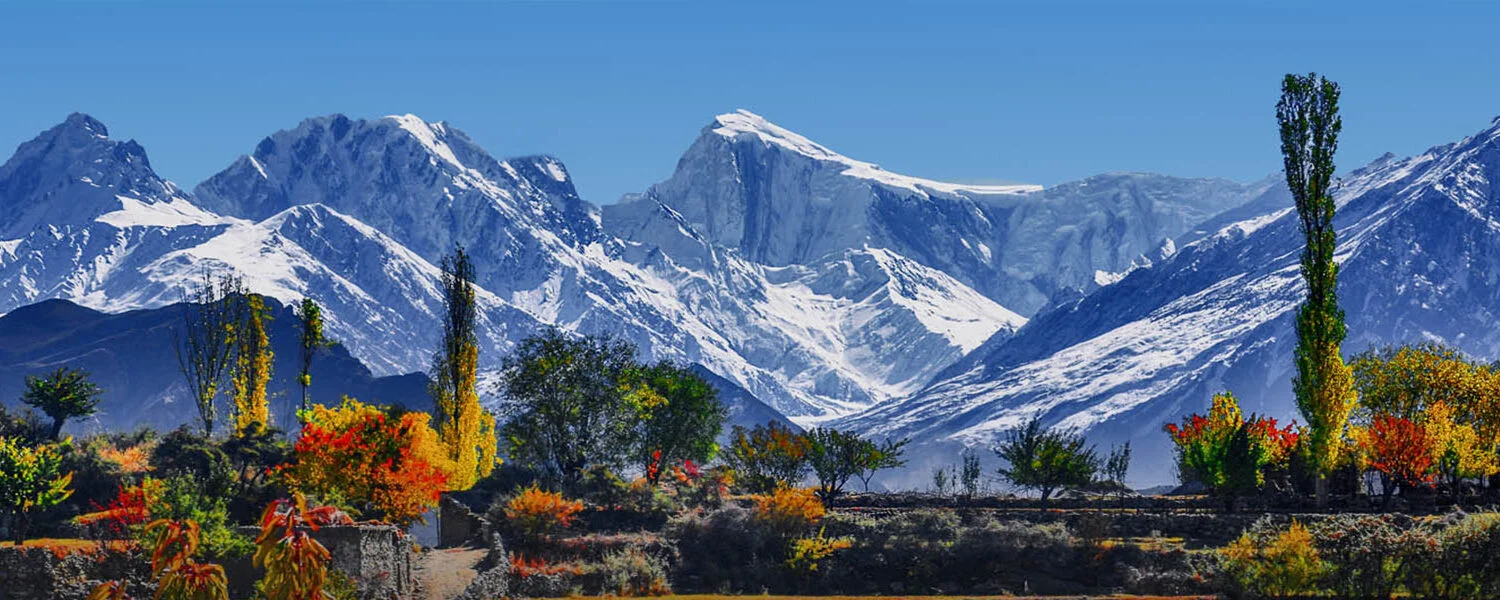
The valleys turn golden and orange as the leaves change color, creating an extraordinary contrast with the dark mountains and snow-covered peaks.
Winter – December to February
Winter offers a completely different Hunza experience.
Snow-covered villages, frozen landscapes and quiet mountain scenery attract travelers looking for a peaceful and photographic winter adventure.
Tip: Weather and road conditions in the mountains can change quickly. Always check current conditions and local travel advice before starting your journey.
Top Places to Visit in Hunza Valley
If you are planning your first trip, consider including these destinations:
- Karimabad
- Baltit Fort
- Altit Fort
- Attabad Lake
- Passu Valley
- Passu Cones
- Gulmit Valley
- Hussaini area
- Duikar / Eagle’s Nest
- Khunjerab Pass
- Borith Lake
- Sost
The official tourism department lists many of these locations among Hunza’s principal attractions and destinations.
Why Choose a Local Tour Team for Hunza?
Hunza is much more than a collection of beautiful viewpoints.
A local team can help travelers understand the history, culture, roads, weather, local communities and hidden places that may be difficult to discover independently.
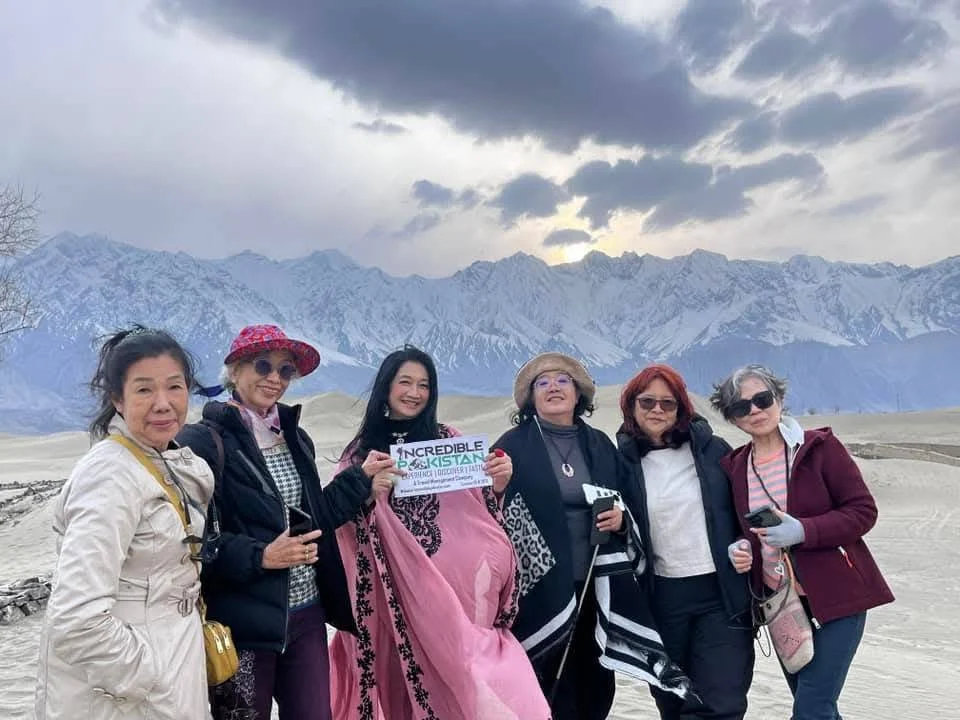
At Incredible Pakistan, we are a local, licensed tour team from Gilgit-Baltistan, with local knowledge and experience of traveling throughout northern Pakistan.
We can assist visitors with:
- Hunza Valley tours
- Private and group tours
- Local transportation
- Professional local guides
- Hotel arrangements
- Karakoram Highway journeys
- Attabad Lake visits
- Khunjerab Pass trips
- Trekking and hiking arrangements
- Cultural experiences
- Airport and hotel transfers
- Customized Pakistan itineraries
- Local travel assistance throughout Gilgit-Baltistan
Our goal is to help travelers experience Hunza safely, comfortably and authentically while supporting local communities and responsible tourism.
Planning to visit Hunza? Let our local Gilgit-Baltistan team help you experience the valley like a local.
Explore Hunza with Incredible Pakistan:
What`s App +923111227705
IncrediblePakistan.com
Why Hunza Deserves the Name “Crown Jewel”
So, why is Hunza Valley called Pakistan’s Crown Jewel?
Because few destinations combine so many experiences in one place.
Here you can wake up beneath some of the world’s greatest mountains, walk through centuries-old forts, drive beside turquoise lakes, explore traditional villages, taste locally grown fruit, cross dramatic mountain roads and watch the sunset over the Karakoram.
Hunza is not simply a destination to photograph.
It is a place to experience.
And once you have seen the mountains of Hunza, experienced its hospitality and traveled along the legendary Karakoram Highway, you will understand why this remarkable valley holds such a special place in Pakistan’s tourism landscape.
Frequently Asked Questions About Hunza Valley
Is Hunza Valley worth visiting?
Absolutely. Hunza offers spectacular mountains, historic forts, lakes, traditional villages, cultural experiences and some of the most impressive landscapes in northern Pakistan.
What is Hunza Valley famous for?
Hunza is famous for its Karakoram mountain scenery, Attabad Lake, Baltit Fort, Altit Fort, Passu Cones, Khunjerab Pass, traditional culture, orchards and beautiful seasonal landscapes.
What is the best time to visit Hunza Valley?
Spring is excellent for blossoms, summer is ideal for general sightseeing and outdoor activities, and autumn is particularly famous for golden foliage. Winter offers a quieter snow-covered landscape.
How many days are enough for Hunza?
For a first visit, 4–6 days in Hunza can provide enough time to explore Karimabad, the historic forts, Attabad Lake, Upper Hunza and major viewpoints. Travelers combining Hunza with other destinations in Gilgit-Baltistan may want a longer itinerary.
Can foreigners visit Hunza Valley?
Yes. Hunza is a popular destination for international travelers. Foreign visitors should carry the required travel documents and check current entry, travel and security requirements before their trip.
Can I visit Hunza without a tour guide?
Independent travel is possible, but a knowledgeable local guide can make the journey easier and more informative, particularly for travelers visiting northern Pakistan for the first time.
Why book a local tour company in Hunza?
A local tour company can provide practical knowledge about mountain roads, weather, accommodations, transportation, local customs and destinations while helping travelers connect with local communities.
Plan Your Hunza Valley Adventure With Incredible Pakistan
Hunza is one of the places that should be experienced at least once in a lifetime.
Whether you dream of seeing the cherry blossoms of spring, the turquoise waters of Attabad Lake, the golden colors of autumn, the ancient forts of Karimabad or the dramatic Passu Cones, our local team can help you plan your journey.
Incredible Pakistan is a local, licensed tour team from Gilgit-Baltistan, Pakistan.
Let us help you discover Hunza beyond the usual tourist routes—with local knowledge, professional guidance and genuine hospitality.
Explore. Experience. Discover Pakistan with Incredible Pakistan.
Website: IncrediblePakistan.com