Deosai National Park: Exploring Pakistan’s Land of Giants
At more than 4,000 meters above sea level, Deosai National Park is one of Pakistan’s most spectacular high-altitude wilderness areas. Located in Gilgit-Baltistan between Skardu and Astore, the park is famous for its vast alpine plains, dramatic mountain scenery, wildflowers, wildlife, and the rare Himalayan brown bear.
Known as the “Land of Giants,” Deosai feels almost otherworldly. During the warmer months, its enormous grasslands transform into a colorful landscape surrounded by snow-capped peaks. At the heart of this wilderness lies Sheosar Lake, one of the region’s most beautiful natural attractions.
For travelers searching for an extraordinary adventure in Pakistan, Deosai offers something different: open landscapes, solitude, wildlife and the feeling of being truly immersed in nature.
Where Is Deosai National Park?
Deosai National Park is located in Gilgit-Baltistan, Pakistan, between the districts of Skardu and Astore. The park occupies a vast high-altitude plateau and is one of the highest alpine plains in the world.
The landscape is characterized by rolling grasslands, wetlands, streams, mountain peaks and remote valleys. Its elevation makes Deosai considerably different from the lower valleys of northern Pakistan.
The park was established in 1993, primarily to protect the Himalayan brown bear, an endangered population that uses the Deosai plateau as an important habitat.
Why Is Deosai Called the “Land of Giants”?
The name Deosai is commonly associated with the idea of a “Land of Giants.” The enormous scale of the plateau, surrounding mountains and open wilderness gives the landscape a fittingly grand character.
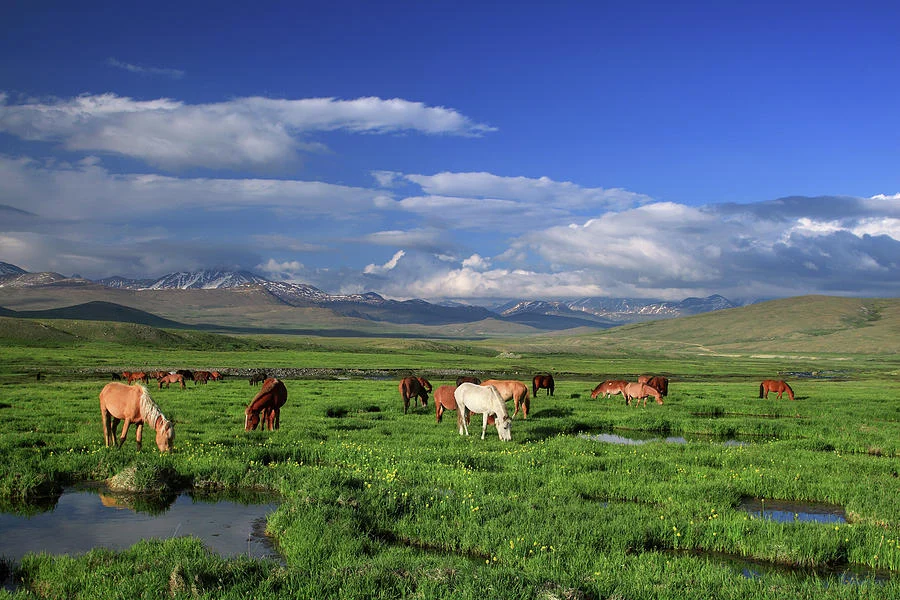
Standing on the Deosai plains, visitors can experience an extraordinary sense of space. There are few trees, very little development and seemingly endless grasslands stretching toward distant mountains.
The park’s wildlife also contributes to its reputation. Himalayan brown bears, marmots and numerous bird species inhabit this challenging high-altitude environment.
The Natural Beauty of Deosai Plains
One of the greatest attractions of Deosai is simply its landscape.
The plains appear almost endless, with broad green meadows during summer surrounded by rugged mountains. Small streams and wetlands cross the plateau, while colorful alpine flowers add another layer of beauty.
Vast Alpine Meadows
During the summer season, the Deosai plains become greener and more vibrant. The open meadows provide spectacular views and countless opportunities for photography.
Unlike forested mountain destinations, Deosai is dominated by open terrain. This gives visitors unobstructed views of the surrounding peaks and enormous skies.
Wildflowers of Deosai
Summer brings alpine flowers to the plains, creating colorful patches across the landscape.
The combination of wildflowers, green meadows, blue skies and distant mountains makes Deosai particularly attractive to photographers and nature lovers.
Mountains on the Horizon
Although the plains themselves are relatively open, dramatic mountain ranges surround the area. The contrast between the broad plateau and rugged peaks is one of the defining visual characteristics of Deosai.
Sheosar Lake – The Jewel of Deosai
No visit to Deosai is complete without seeing Sheosar Lake.
Located within the Deosai landscape, Sheosar is known for its clear waters and spectacular mountain surroundings. On calm days, the lake can reflect the surrounding peaks, creating an unforgettable scene.
The lake is particularly beautiful during the summer months when the surrounding landscape is accessible and alpine vegetation is at its most vibrant.
For photographers, Sheosar Lake offers opportunities for landscape photography, reflections, sunrise and sunset views, depending on weather and access conditions.
Wildlife in Deosai National Park
Wildlife is one of the main reasons Deosai was protected as a national park.
The park provides important habitat for several high-altitude species, with the Himalayan brown bear being its most famous resident.
Himalayan Brown Bear
The Himalayan brown bear is the symbol of Deosai’s conservation story.
The establishment of Deosai National Park helped protect the bear population and its high-altitude habitat. Seeing one in the wild can be an unforgettable experience, but visitors should always maintain a safe distance and never attempt to approach, feed or attract wildlife.
A bear sighting is never guaranteed, and responsible wildlife tourism should always prioritize the animal’s safety and natural behavior.
Himalayan Marmots
Marmots are another familiar sight across the Deosai plains.
These large alpine rodents can often be seen around their burrows. Their playful behavior makes them popular with visitors and photographers, but they should never be fed.
Birds and Other Wildlife
Deosai also provides habitat for a variety of bird species and other alpine wildlife. The combination of wetlands, grasslands and high-altitude ecosystems makes the region ecologically important.
Visitors should travel quietly, avoid disturbing animals and follow local conservation guidance.
Best Time to Visit Deosai National Park
The best time to visit Deosai National Park is generally during the summer access season, when snow has receded sufficiently to make the roads and high-altitude plains accessible.
Summer in Deosai
Summer is the most popular season for exploring Deosai. The plains become greener, wildflowers appear and Sheosar Lake becomes accessible when road conditions allow.
This is also the period when travelers are most likely to experience the classic Deosai landscape shown in photographs.
Autumn in Deosai
Autumn can bring colder temperatures and changing colors to the landscape. Travelers visiting later in the season should be prepared for rapidly changing weather and possible access restrictions.
Winter in Deosai
Winter transforms Deosai into a snow-covered wilderness. Heavy snowfall and extreme conditions can make travel difficult or impossible.
Travelers should never assume that summer routes remain accessible throughout winter. Always check current local conditions before planning a journey.
How to Reach Deosai National Park
Deosai is commonly accessed from Skardu or Astore, depending on the travel route and current road conditions.
How to Reach Deosai from Skardu
Skardu is one of the main gateways to Deosai. Travelers can arrange transportation from Skardu and travel toward the high-altitude plateau.
Because the journey involves remote mountain roads, road conditions and travel times can vary considerably.
How to Reach Deosai from Astore
Astore provides another route into the Deosai region. Travelers coming from the Astore side can organize local transportation depending on seasonal road access.
Do You Need a 4×4 Vehicle?
A suitable vehicle and an experienced local driver are strongly recommended for mountain travel in Deosai.
Road conditions can change because of weather, snow, rain and other natural factors. Before setting out, confirm the current condition of the route with local authorities, guides or experienced drivers.
Things to Do in Deosai National Park
A trip to Deosai is less about a long list of attractions and more about experiencing the wilderness.
Here are some of the best things to do:
- Explore the Deosai Plains – Experience the enormous alpine landscape.
- Visit Sheosar Lake – Enjoy one of the park’s most iconic natural attractions.
- Look for Himalayan marmots – Observe these fascinating alpine animals from a safe distance.
- Watch for wildlife – You may encounter birds and other species during the journey.
- Enjoy landscape photography – Deosai offers dramatic scenery in almost every direction.
- Experience a high-altitude road trip – The journey itself is a major part of the adventure.
- Enjoy the night sky – When conditions and permitted camping arrangements allow, the remote environment can offer spectacular stargazing.
- Connect with nature – Spend time away from crowded destinations and enjoy the silence of the mountains.
Deosai National Park Travel Guide
How Many Days Do You Need in Deosai?
A Deosai visit can be incorporated into a wider Skardu or Astore itinerary. The ideal length depends on your route, transportation, weather and whether you plan to camp or return the same day.
Travelers should avoid creating an overly tight schedule because mountain travel is highly dependent on road and weather conditions.
Where to Stay
Accommodation options around Deosai are limited compared with major tourist destinations.
Many visitors use Skardu or Astore as their base, while camping may be possible in designated or permitted areas depending on current regulations and conditions.
Check local rules before camping inside the protected area.
What to Pack for Deosai
Even during summer, Deosai can be cold because of its extreme elevation.
Consider bringing:
- Warm layers
- Waterproof outerwear
- Comfortable hiking shoes
- Sunglasses
- Sunscreen
- Hat and gloves
- Reusable water bottle
- Personal medicines
- Power bank
- Camera and spare batteries
- Snacks and essential supplies
The key is to prepare for changing weather rather than relying on the season alone.
Food and Water
Facilities are limited in remote parts of Deosai. Carry sufficient food and drinking water and avoid leaving waste behind.
If traveling with a tour operator or local driver, confirm beforehand what food, water and emergency supplies will be provided.
Mobile Connectivity
Mobile coverage can be limited or unavailable in remote areas.
Do not depend entirely on your phone for navigation or communication. Inform someone about your travel plans and follow the advice of local guides and drivers.
Deosai National Park Safety Tips
Deosai is beautiful, but its high altitude and remote environment require preparation.
Prepare for High Altitude
The elevation can be challenging, particularly for visitors who are not accustomed to high-altitude environments. Take the journey slowly and pay attention to how you feel.
If you experience serious or worsening altitude-related symptoms, seek medical assistance and descend to a lower elevation.
Check the Weather
Mountain weather can change quickly. Check current conditions before departure and be prepared for cold, rain, snow or strong winds.
Keep Your Distance From Wildlife
Never approach a bear or other wild animal.
Do not feed wildlife, attempt to touch animals or leave food around campsites. Give animals plenty of space and follow instructions from local guides.
Travel With Experienced Local Drivers
Remote mountain roads can be challenging. Experienced local drivers understand seasonal routes and changing conditions better than unfamiliar visitors.
Responsible Tourism in Deosai
Deosai’s beauty depends on protecting its fragile ecosystem.
Leave No Trace
Take all rubbish with you and dispose of it responsibly. Avoid damaging vegetation and keep the landscape as you found it.
Don’t Feed Wild Animals
Feeding wildlife can change natural behavior and create dangerous interactions between animals and people.
Respect the Environment
Stay on appropriate routes where required, avoid unnecessary disturbance and follow national park regulations.
Respect Local Communities
Travel responsibly and treat local communities, guides, drivers and other visitors with respect.
Deosai National Park and UNESCO
Deosai National Park is included on Pakistan’s UNESCO World Heritage Tentative List for its ecological and natural significance.
This is an important distinction: Deosai is not currently a UNESCO World Heritage Site. Its inclusion on the Tentative List recognizes the site’s potential outstanding universal value and conservation importance.
Is Deosai National Park Worth Visiting?
Absolutely.
Deosai is ideal for travelers who want to experience a less-developed side of northern Pakistan. Its combination of high-altitude plains, wildlife, mountain scenery and remoteness makes it unlike many other destinations in the country.
If Hunza is known for its villages and dramatic valleys, and Skardu for its lakes, mountains and adventure opportunities, Deosai offers something different: an immense alpine wilderness.
For anyone building a northern Pakistan itinerary, Deosai can be one of the most memorable experiences of the journey.
Frequently Asked Questions About Deosai National Park
Where is Deosai National Park located?
Deosai National Park is located in Gilgit-Baltistan, Pakistan, between the Skardu and Astore regions.
What is Deosai National Park famous for?
Deosai is famous for its vast high-altitude alpine plains, Sheosar Lake, Himalayan brown bears, marmots, wildflowers and dramatic mountain scenery.
What is the best time to visit Deosai?
The summer season is generally the best time to visit because access is more practical and the plains are greener and covered with alpine vegetation.
How high is Deosai National Park?
Deosai is a very high-altitude plateau, with an average elevation of roughly 4,100 meters above sea level.
Can you see brown bears in Deosai?
Himalayan brown bears live in Deosai, but sightings are not guaranteed. Visitors should never approach, feed or attempt to attract a bear.
How do you get to Deosai from Skardu?
Travelers can reach Deosai from Skardu using mountain roads and local transportation. The route and accessibility depend on seasonal road conditions.
Can you visit Deosai in winter?
Winter conditions can make Deosai extremely difficult or inaccessible. Travelers should check current access and weather conditions before planning a winter journey.
Is Deosai suitable for families?
Families with older children who are comfortable with high-altitude travel may enjoy Deosai, but the elevation, cold weather, limited facilities and remote roads should be carefully considered.
Plan Your Journey to Deosai National Park
Deosai National Park is more than a destination on a map. It is an opportunity to experience one of Pakistan’s most remarkable alpine environments—a place where vast grasslands meet rugged mountains, wildlife moves across remote valleys and the horizon seems to stretch forever.
From the spectacular Sheosar Lake to the possibility of seeing the Himalayan brown bear, every part of the journey offers a different glimpse of Pakistan’s wild northern landscape.
If you are planning an adventure through Gilgit-Baltistan, make time for Deosai National Park and discover why this extraordinary region deserves its reputation as Pakistan’s Land of Giants.